 Sense of Source
At Sense of Source, our mission is to reconnect people with the origins of the things that sustain our lives. That is why our work with the Waorani of the Ecuadorian Amazon matters, and why the foundation exists in the first place.
Sense of Source Foundation was founded by Robert McLaughlin, president of Florida Fresh Events, after nearly four decades spent among the people who grow, raise, and steward the things the rest of us buy without ever seeing where they come from. Food has a source. Water has a source. Flowers, coffee, chocolate, seafood, and the materials we use every day all come from somewhere. And behind every source are people, ecosystems, choices, and consequences.
The Waorani are Indigenous people of the Ecuadorian Amazon who have lived within and cared for this rainforest for generations. Their ancestral lands contain some of the most biologically diverse forests on Earth. These forests store enormous amounts of carbon, move water through the atmosphere, influence regional weather patterns, and provide habitat for an extraordinary range of plants and wildlife.
But the forest is not an abstract environmental asset.
It is someone's home.
It is someone's history.
It is someone's future.
The Waorani are not simply people living beside the rainforest. They are among its stewards.
The People Behind the Forest
Environmental conversations frequently become discussions about numbers: acres protected, tons of carbon stored, species identified, hectares lost or emissions avoided.
Those numbers are important. But they can also cause us to overlook the people standing behind them.
The Waorani are families, parents, children, hunters, teachers, community leaders, and entrepreneurs. They have their own traditions, ambitions, and ideas about what their future should look like.
And their ability to continue protecting their lands should not depend entirely on whether the outside world suddenly decides those forests have financial value.
Sense of Source believes the people closest to a resource should be part of the conversation about its future.
Protecting Something That Benefits All of Us
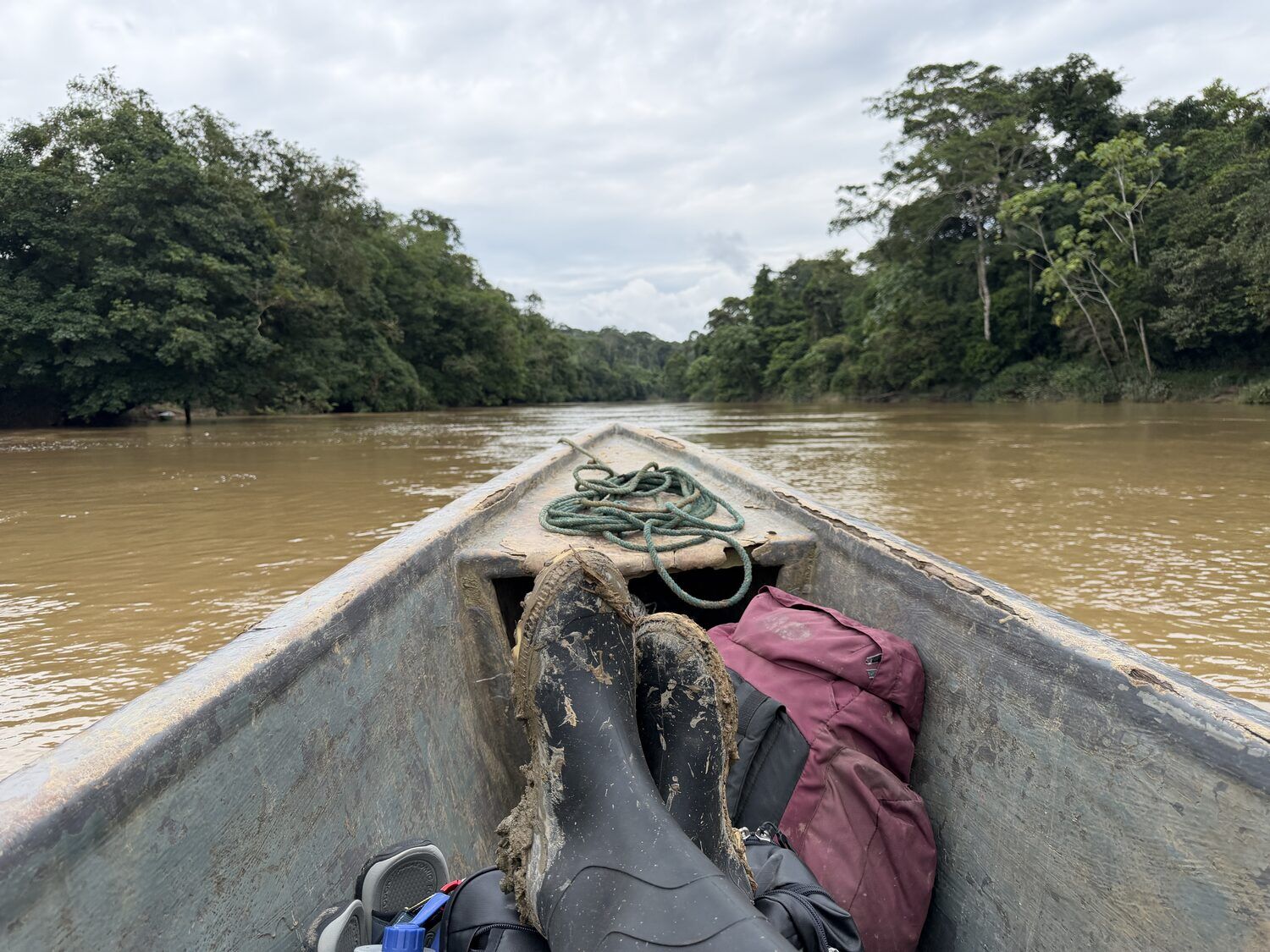
Waorani territory encompasses roughly two million acres of Ecuadorian Amazon rainforest.
Forests like these perform environmental work every day without most of us ever seeing it. They store enormous quantities of carbon. They absorb additional carbon as they grow. Their trees recycle moisture back into the atmosphere through evapotranspiration, helping drive the hydrological systems that influence rainfall far beyond the immediate forest.
They also support biodiversity that scientists are still working to fully understand.
We sometimes hear the Amazon described as the "lungs of the planet." The reality is more complicated. The Amazon is not responsible for supplying most of the oxygen we breathe; mature forests consume much of the oxygen they produce.
Their global importance is different, and arguably just as significant. They store carbon, regulate water, influence climate, and sustain one of the richest biological systems on Earth.
Protecting intact rainforest therefore matters well beyond the communities living within it.
This Is Not a Carbon Offset Project
Sense of Source is not positioning this initiative as a carbon-offset program. We are not suggesting that protecting a section of rainforest gives someone permission to pollute somewhere else. That is not the purpose of this work.
We have simply concluded that supporting people who are actively protecting large areas of intact Amazon rainforest is a worthwhile endeavor.
If millions of acres of forest continue standing because the people living there have the resources, economic opportunities, and political ability to defend them, that is meaningful.
Sometimes the value of doing something does not require turning it into a tradable credit.
Conservation Must Include Economic Opportunity
One of the most difficult questions facing the Amazon is also one of the most practical: how do you ask communities to protect forests while offering them no meaningful economic alternative?
Oil, mining, timber, and development create powerful financial incentives. Conservation must create opportunity as well.
That can mean sustainable tourism. Local businesses. Scientific partnerships. Education. Employment. Media projects. Responsible agriculture. Cultural preservation. And other economic activities that allow communities to benefit from keeping forests intact.
Protecting the Amazon cannot simply mean telling Indigenous communities what they should not do. It must also mean helping create opportunities for what they can do.
And those decisions should ultimately belong to them.
When people understand where something comes from, they make different decisions about it.
Seeing the Source Changes the Conversation
The Amazon can feel distant to someone living thousands of miles away.
But when you travel its rivers, walk through its forests, meet the people who live there, and begin understanding the pressures they face, it stops being an abstract environmental issue.
It becomes personal.
You begin to understand that protecting a forest also means protecting the people who have spent generations learning how to live within it.
That connection is exactly what Sense of Source exists to create.
We want people to understand the source. We want them to meet the people behind it. We want them to see the environmental realities for themselves. And then we want them to decide what those things are worth.
Why We Are Working With the Waorani
Our work with the Waorani is ultimately about partnership.
It is about helping bring visibility to communities protecting an extraordinary part of the planet. It is about documenting their lives honestly, including their successes, their challenges, and the difficult choices they face. It is about supporting opportunities that allow conservation and economic progress to exist together.
And it is about recognizing something that can easily disappear when environmental issues become statistics: there are people behind this forest.
People with names.
People with families.
People with stories.
People whose decisions affect millions of acres of rainforest that, in turn, affects a much larger world.
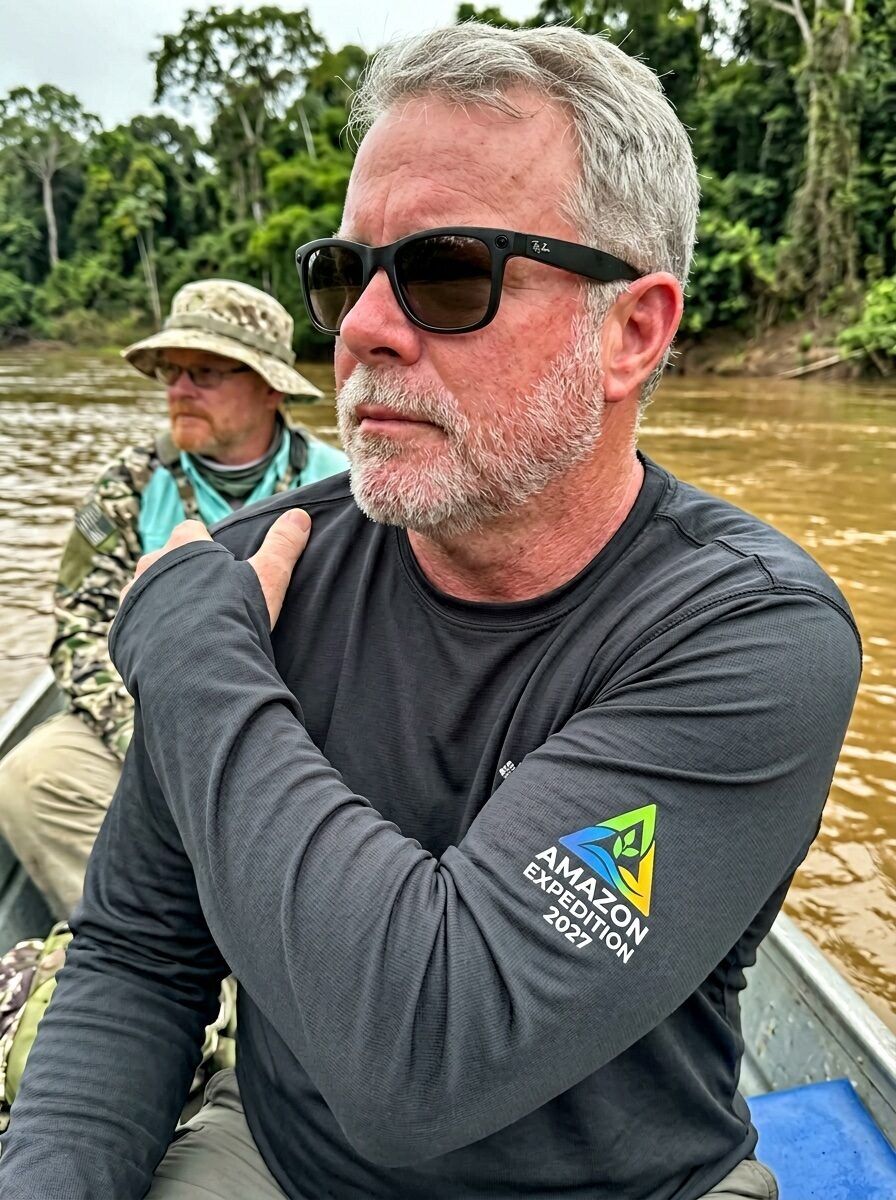
Robert McLaughlin
Founder of the Sense of Source Foundation and president of Florida Fresh Events. Nearly four decades with growers and communities at the source of flowers, coffee, and food across the Americas, now leading the Amazon Source Expedition 2027 and the Foundation's partnership work with the Waorani.