 Sense of Source
The Sense of Source story has had two forests in it so far: the Amazon, with Otobo Baihua and the Waorani, and the Mindo cloud forest, with Tom and Mariela at El Monte. Ryan Lynch and Third Millennium Alliance give it a third, a strip of Ecuador's Pacific coast that has lost almost everything, and that a small team is putting back together one reserve, one ranger patrol, and one cacao tree at a time.
A Forest Almost No One Sees
Most people picture Ecuador as the Amazon on one side and the Galápagos on the other. In between, along the Pacific coast, sat a forest that once rivaled either for what it held, and that has now nearly disappeared. Coastal Ecuador has lost roughly 98% of its original forest cover. What is left survives in fragments, most of them unprotected and shrinking.
The Jama-Coaque Ecological Reserve, in Manabí Province about seven kilometers inland from the coast, is one of the fragments that didn't disappear. It protects roughly 850 hectares (a little over 2,100 acres) of what's called Pacific Equatorial Forest: tropical moist forest grading into premontane cloud forest along the Jama-Coaque coastal range. It sits inside the Tumbes-Chocó-Magdalena biodiversity hotspot, one of the most threatened and least protected hotspots on Earth, and it forms the headwaters of the Camarones River, the water source for the communities downstream.
It is a different forest from the Amazon and a different forest from Mindo. Same country, same question about what a forest is worth left standing.
Who Ryan Lynch Is
Ryan Lynch is the Executive Director of Third Millennium Alliance, known as TMA, the organization that has managed Jama-Coaque since it bought its first 38 hectares in 2007. He's originally from California, trained as a tropical ecologist with a master's degree in wildlife ecology and conservation, with a specialty in amphibians and reptiles. He first came to Ecuador in 2001 and has worked in its forests for two decades since, joining TMA in 2014.
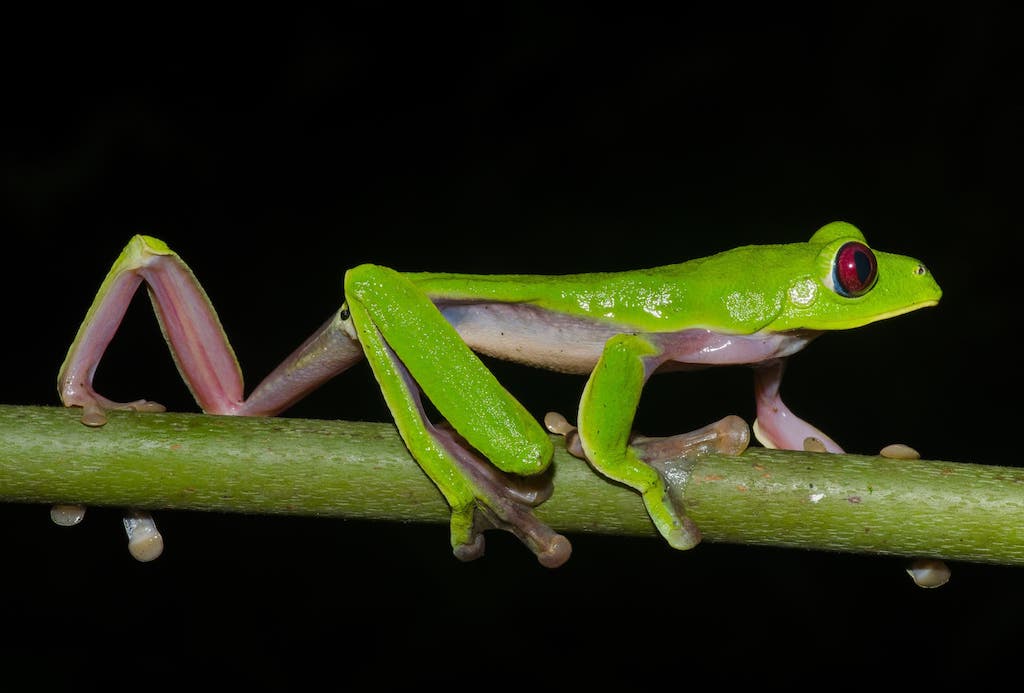
Before he ran the organization, he spent two years in the reserve itself, documenting its frogs and reptiles and training local youth to do the same kind of field documentation. That work turned up species new to science, and it rediscovered the Tandayapa Andean toad, a species long thought extinct. Findings like that aren't just academic. In a region facing pressure from mining and oil interests, proof of what a forest holds is part of the case for protecting it.
A Model Built on Income, Not Just Rules
TMA's approach to Jama-Coaque looks a lot like the argument Sense of Source keeps running into everywhere in Ecuador: telling people what they can't do to a forest doesn't work nearly as well as giving them something better to do instead.
TMA buys and patrols land, but it also plants it back: reforestation designed as wildlife corridors that reconnect isolated fragments so species like the endangered Ecuadorian white-fronted capuchin can move and forage across a landscape instead of being boxed into a single reserve. The organization has proposed extending that idea into a 100,000-acre corridor. And it runs a regenerative, shade-grown cacao program with local farmers, an agroforestry model that pays better, over time, than the slash-and-burn agriculture it's meant to replace, while keeping tree cover on the land instead of removing it.
Almost 4,000 acres are now under TMA's management along this stretch of coast, grown from that first 38-hectare purchase in 2007.
What does this place give a community, what does it take, and what would they replace it with?
How Ryan Connects to Bameno and El Monte
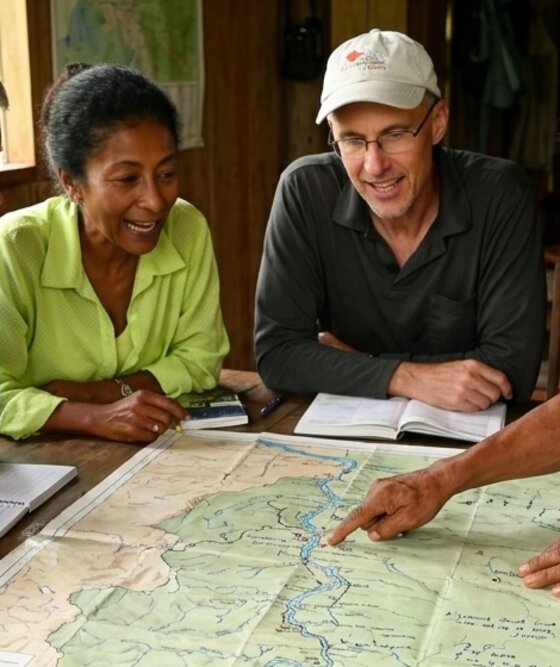
Robert met Ryan in 2025, on a short expedition into the Amazon. That is how his name entered the Sense of Source story in the first place, and once the two of them had talked, the connection to the rest of the map was obvious.
Otobo Baihua runs his own territory on the Cononaco, deep in Waorani land near Bameno, on the route the Amazon Source Expedition travels. His answer to how a forest survives is tourism and Waorani-led decision-making over two million acres of Amazon rainforest. Tom and Mariela run El Monte Sustainable Lodge in the Mindo cloud forest, an entirely different ecosystem an hour from Quito, where their answer is private conservation funded by responsible hospitality. Ryan and TMA are working the same question from a third angle entirely: Pacific coastal forest, reduced to fragments, being pieced back together through land purchase, science, and cacao.
Three ecosystems. Three models. The same underlying argument: conservation has to create opportunity, or it doesn't survive contact with the people who actually live on the land in question.
Why This Belongs in the Same Story
Sense of Source exists to reconnect people with the origins of the things that sustain them, and to introduce them to the people standing behind those origins. Ryan Lynch is one of those people. He didn't inherit this land or grow up defending it; he studied it, moved to it, and spent two decades building an organization that keeps a nearly vanished forest from vanishing the rest of the way.
That's worth the same attention we've given Otobo and the Waorani, and the same attention we've given Tom and Mariela at El Monte. Different forest, same source, same question: what is a forest worth left standing, and who is actually making sure it stays that way.
Robert McLaughlin
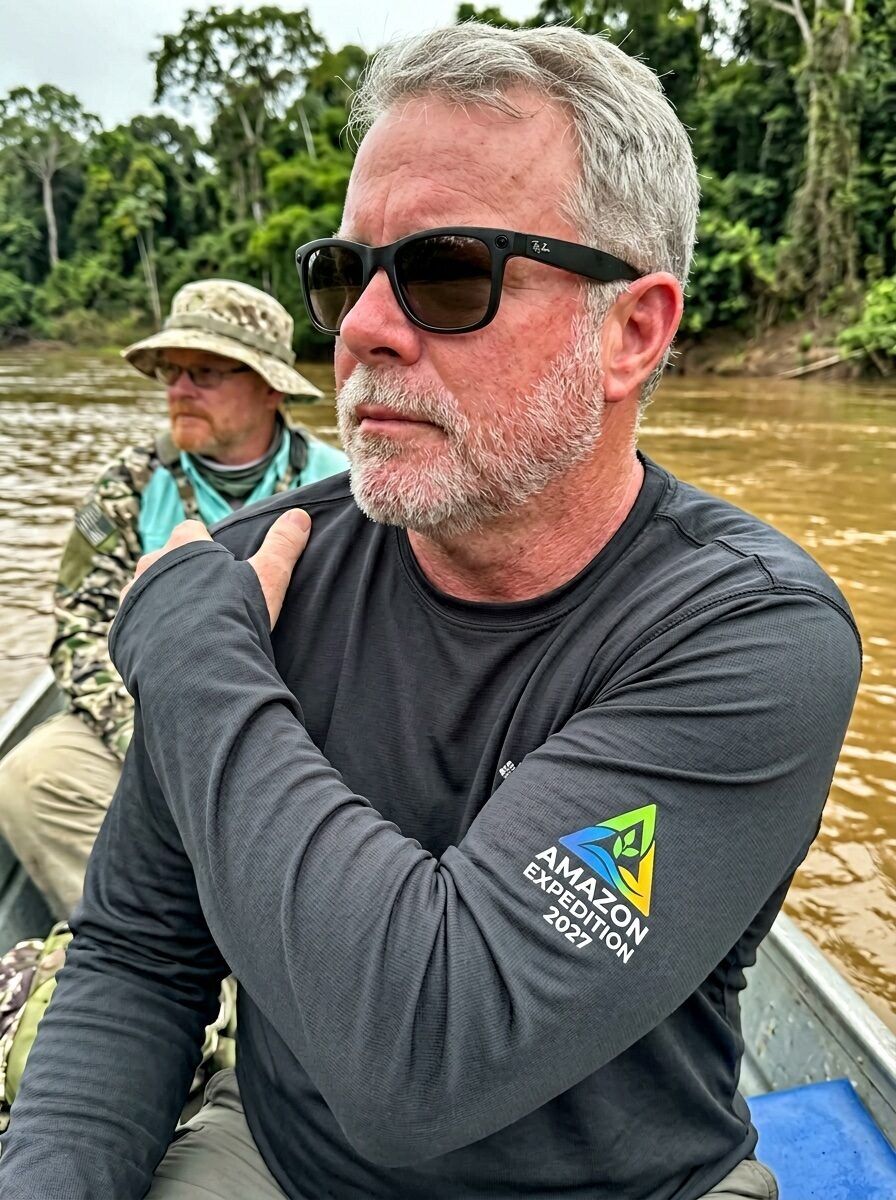
Founder of the Sense of Source Foundation and president of Florida Fresh Events. Nearly four decades with growers and communities at the source of flowers, coffee, and food across the Americas, now leading the Amazon Source Expedition 2027 and the Foundation's growing network of Ecuadorian conservation partners.